Learn about ageing in place in Australian aged care – what it means, its benefits, and how it supports older Australians to remain in familiar.
Key areas covered:
- What is ageing in place?
- Why is ageing in place important in Australian aged care?
- How does ageing in place work in residential aged care?
What is ageing in place?
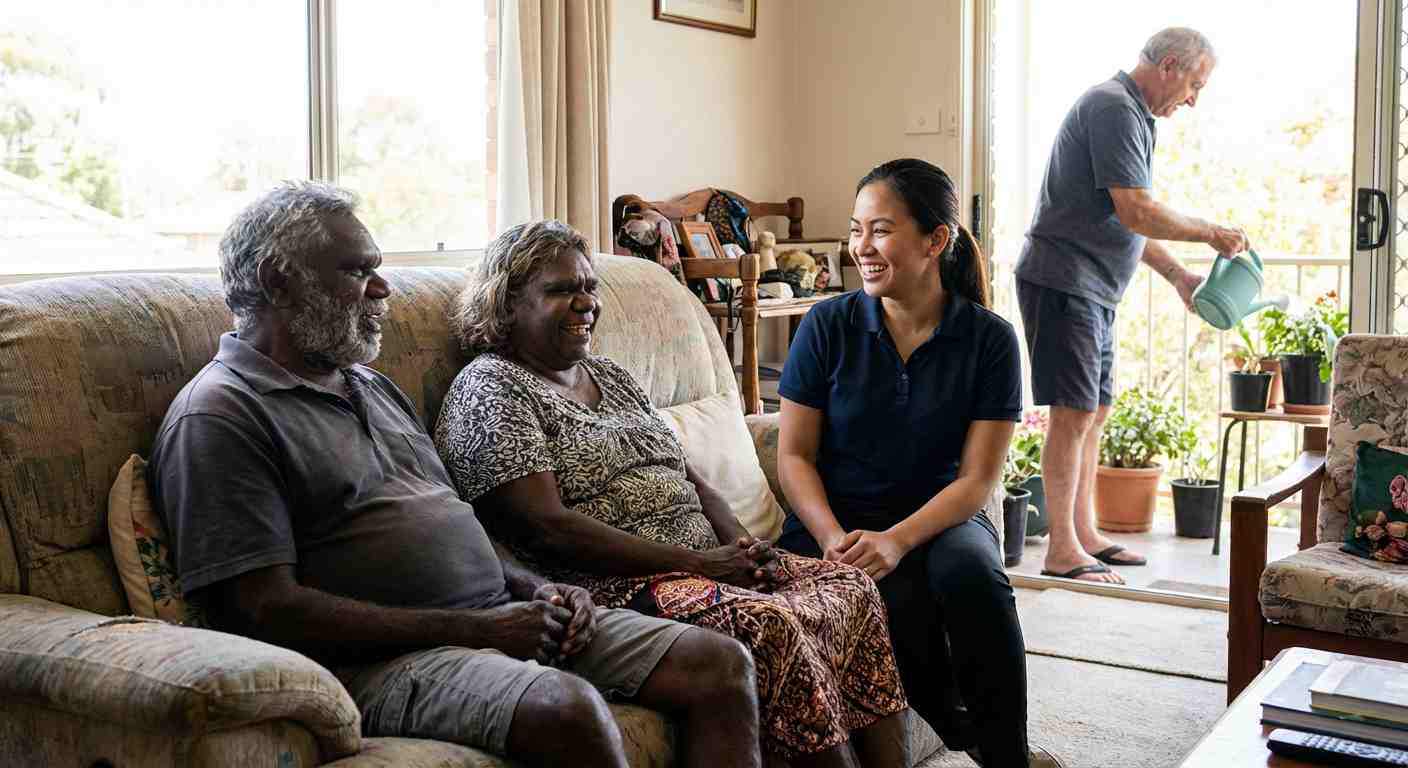
Ageing in place refers to the concept of enabling older Australians to remain living in their chosen environment as they age, whether that’s their own home or their initial aged care residence, even as their care needs increase. This approach aims to provide continuity and stability in a person’s life while ensuring they receive appropriate care and support.
Why is ageing in place important in Australian aged care?
Ageing in place is important because it helps maintain an older person’s sense of independence, dignity, and connection to their community. It reduces the trauma of multiple relocations and allows residents to stay in familiar surroundings with established social networks, which can positively impact their wellbeing and quality of life.
How does ageing in place work in residential aged care?
In residential aged care, ageing in place means that residents can stay in the same facility as their care needs change, rather than having to move between different facilities. The aged care provider adjusts the level and type of care provided to match the resident’s changing needs, ensuring continuous and appropriate support throughout their ageing journey.